

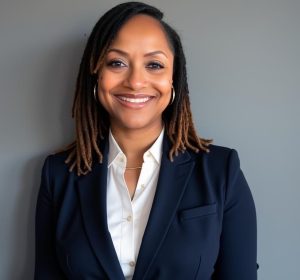
Mia Venson, Founder & Principal Consultant, Pink Moon Consulting
Most leaders know when a difficult employee conversation needs to happen.
They see the missed deadlines.
They notice the change in attitude.
They hear the concerns from other team members.
They feel the frustration building.
But instead of addressing it early, they wait.
They hope the issue improves on its own.
They avoid the discomfort.
They tell themselves it is not serious enough yet.
The problem is that delayed conversations rarely make things easier. In many cases, they make the issue more complicated.
When feedback is avoided, employees may not realize there is a concern. Managers may become increasingly frustrated. Other team members may begin to notice the inconsistency. Over time, what could have been a coaching conversation becomes a performance issue, a morale issue, or even a retention issue.
Avoiding difficult conversations can cost a business in several ways:
- Productivity declines
- Team morale suffers
- Managers lose credibility
- High performers become frustrated
- Documentation becomes reactive instead of consistent
- Decisions become harder to defend
For small businesses and growing companies, these moments matter. One unresolved issue can affect the entire team.
Difficult conversations do not have to be harsh. In fact, the best ones are usually clear, respectful, and grounded in facts.
A strong conversation should answer three questions:
What is the concern?
What is the expected change?
What support or next step is needed?
The goal is not to embarrass the employee. The goal is to create clarity.
Leaders do not help employees by staying silent. They help them by being honest early enough for the employee to understand, respond, and improve.
When handled well, difficult conversations can actually build trust. They show that expectations matter, communication is direct, and the organization is willing to address issues before they become bigger problems.
The longer leaders wait, the fewer options they usually have.
At Pink Moon Consulting, we support organizations in navigating employee conversations, performance concerns, and people decisions with clarity, consistency, and care.